
|
 Scientific Classifications explained » Amphibians » Ants » Aphids » Bees » Beetles » Birds » Bugs » Butterflies » Caterpillars » Damselflies » Dragonflies » Earwigs » Flies » Frog/Leafhoppers » Fungi » Galls » Grasshoppers » Harvestmen » Hoverflies » Lacewings » Ladybirds » Leaf Mines » Lichens » Mammals » Millipedes » Mosses » Moths » Sawflies » Slugs » Snails » Spiders » Trees & Shrubs » Wasps » Wild Flowers » Woodlice » Postboxes |
UK Nature > Trees & Shrubs > Liriodendron tulipifera (Tulip Tree)
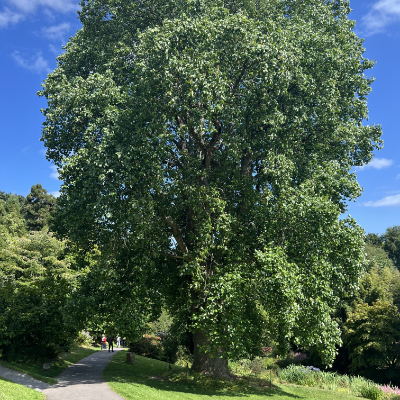
Scientific Name: Liriodendron tulipifera Common Name: Tulip Tree Liriodendron tulipifera, more commonly known as the Tulip Tree, is native to eastern North America and was introduced to Britain in the 17th century. It is named after its flower which resembles a tulip. It is a large ornamental tree, quite common in large gardens and parks. It has a four-lobed leaf, large, tulip-like flowers and brown fruit that stays on the tree all winter. It has an unusual 4-lobed leaf and a large beautiful flower in May/June. It is a member of the Magnolia family. Magnolia trees and shrubs are members of a very large genus containing between 120 and 230 species depending on the classification system used. The genus is named after the French botanist Pierre Magnol. It is an ancient genus with “primitive” flowers adapted for pollination by beetles. The petals, for example, are known as tepals because the sepals and petals are indistinguishable. This is a feature common to plants that appeared early on in the evolution of flowering plants. |
|

https://www.uknature.co.uk is a website dedicated to showing the immense diversity of UK nature and wildlife. Our vast range of habitats, from lowland arable to snow covered mountains, from storm-ravaged coastlines to peaceful inland freshwater lakes and rivers, from dry, sandy heaths to deciduous and coniferous forests, all these habitats contribute to the abundance of UK nature. We have wild birds in huge numbers either residing or visiting our shores (597 recorded species as at July 2013) and we must also not forget the humble back garden with its grass lawns, flower beds filled with nectar rich flowers, shrubs and trees, all designed to attract huge numbers of insects such as bees, moths, butterflies and hoverflies; and finally the small ponds which provide safe havens for frogs, toads, newts and even slow worms and grass snakes. www.uknature.co.uk is the showcase for my personal passion, photographing uknature in all its glory. I sincerely hope you all enjoy the fruits of my labours. This site and all images contained therein is © Jeremy Lee 2004 - 2025. All Rights Reserved. Site design by Jeremy Lee. Site development & IT Support by Stuart Lee. |