
|
 Scientific Classifications explained » Amphibians » Ants » Aphids » Bees » Beetles » Birds » Bugs » Butterflies » Caterpillars » Damselflies » Dragonflies » Earwigs » Flies » Frog/Leafhoppers » Fungi » Galls » Grasshoppers » Harvestmen » Hoverflies » Lacewings » Ladybirds » Leaf Mines » Lichens » Mammals » Millipedes » Mosses » Moths » Sawflies » Slugs » Snails » Spiders » Trees & Shrubs » Wasps » Wild Flowers » Woodlice » Postboxes |
UK Nature > Trees & Shrubs > Carpinus betulus (Hornbeam)
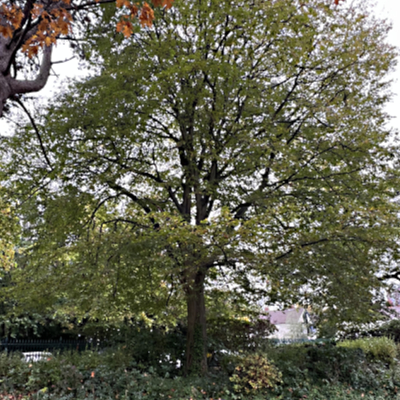
Scientific Name: Carpinus betulus Common Name: Hornbeam Carpinus betulus, commonly known as Hornbeam, Common Hornbeam or European Hornbeam, is a deciduous, broadleaf tree which has pale grey bark with vertical markings, and sometimes a short, twisted trunk which develops ridges with age. The twigs are brown-grey and slightly hairy and the leaf buds are similar to beech, only shorter and slightly curved at the tips. The leaves are a similar shape to beech – oval with pointed tips. Hornbeam leaves, however, are smaller and more deeply furrowed than beech leaves and have finely toothed edges (whereas beech leaves have wavy edges). They become golden yellow to orange in colour in autumn and most stay on through the winter. Hornbeam is monoecious, meaning male and female catkins are found on the same tree. After pollination by wind, female catkins develop into papery, green winged fruits, known as samaras. Mature trees can reach a height of 30m and live for more than 300 years. |
|

https://www.uknature.co.uk is a website dedicated to showing the immense diversity of UK nature and wildlife. Our vast range of habitats, from lowland arable to snow covered mountains, from storm-ravaged coastlines to peaceful inland freshwater lakes and rivers, from dry, sandy heaths to deciduous and coniferous forests, all these habitats contribute to the abundance of UK nature. We have wild birds in huge numbers either residing or visiting our shores (597 recorded species as at July 2013) and we must also not forget the humble back garden with its grass lawns, flower beds filled with nectar rich flowers, shrubs and trees, all designed to attract huge numbers of insects such as bees, moths, butterflies and hoverflies; and finally the small ponds which provide safe havens for frogs, toads, newts and even slow worms and grass snakes. www.uknature.co.uk is the showcase for my personal passion, photographing uknature in all its glory. I sincerely hope you all enjoy the fruits of my labours. This site and all images contained therein is © Jeremy Lee 2004 - 2021. All Rights Reserved. Site design by Jeremy Lee. Site development & IT Support by Stuart Lee. |